DeWalt DCF921 Impact Wrench Review: Worth It? (October 2026)
The DeWalt DCF921 suits car and home garage work that calls for a compact 1/2 in impact wrench with 4 speed settings and precision wrench control. Its stated output is up to 300 ft-lb fastening torque and 450 ft-lb breakaway torque.
On this page (8 sections)
- What does the DeWalt DCF921 review find?
- How much torque does the DCF921 provide?
- Can you use a DCF921 for lug nuts?
- How do the DCF921 and DCF922 compare?
- How does the DCF921 compare with other compact wrenches?
- Are the DCF921's controls useful?
- What should you know before buying the DCF921?
- Is the DeWalt DCF921 worth choosing?
The DeWalt DCF921 is a compact 1/2 in impact wrench for car and home garage work, with up to 300 ft-lb of fastening torque and 450 ft-lb of breakaway torque. Its 4 speed settings, precision wrench control and hog ring anvil make it a flexible choice if you want more control over socket work.
The DCF921B is tool only, so you need a compatible battery and charger. If you want a detent pin to retain sockets at an angle, compare the DCF922; for especially tight access with 3/8 in sockets, consider the Milwaukee 2854-20.
What does the DeWalt DCF921 review find?
The DCF921's strongest case is its mix of 1/2 in drive, stated torque and adjustable control. It gives you 4 speed settings, an LED with brightness control and a precision wrench control feature intended to help prevent overtightening and fastener run-off.
DeWalt DCF921B ATOMIC 1/2 Inch Impact Wrench: Best for controlled 1/2 in fastening
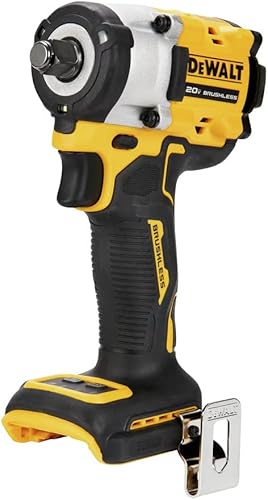
- 1/2 in hog ring anvil
- Up to 300 ft-lb fastening torque
- Up to 450 ft-lb breakaway torque
- 4 speed settings
- Precision wrench control
A compact 1/2 in wrench with 4 speed settings, an LED with brightness control and precision wrench control. Battery and charger are not included.
Pros
- Hog ring supports quick socket changes
- Precision wrench control helps prevent overtightening and fastener run-off
- Timber screw mode is available for wood
- Glass-filled nylon housing resists damage from some oils and solvents
Cons
- Battery and charger are not included
- No exact length or weight should be assumed from the ATOMIC name
The hog ring anvil is designed for rapid, secure socket changes. The wrench also includes a timber screw mode for wood, though its core fit here is automotive and general fastening work.
DeWalt describes the DCF921 as compact and easy to maneuver. The stated product details give its length as 9.2 in and weight as 2.8 lb, which can help you compare it with other tools before buying.
When does the DCF921 make sense?
Choose the DCF921 if you want a 1/2 in wrench with multiple speed settings and an anvil that makes socket changes quick. The combination fits a home garage where one tool may handle wheel fasteners and other bolt work.
Consider another setup if you need a tool for access around crowded suspension parts or inside machinery. Body shape and socket clearance matter alongside torque, so compare the tool's dimensions with the spaces you work in.
A battery and charger are separate purchases for this tool-only version. If you're already on DeWalt's 20V MAX platform, check the batteries you own and whether they're suitable for the jobs you plan to do.
How much torque does the DCF921 provide?
DeWalt gives the DCF921 up to 300 ft-lb fastening torque and 450 ft-lb breakaway torque. These are maximum maker figures, not a promise that every fastener will move at those values.
| Detail | DCF921B |
|---|---|
| Drive | 1/2 in |
| Fastening torque | Up to 300 ft-lb |
| Breakaway torque | Up to 450 ft-lb |
| Speed settings | 4 |
| Socket retention | Hog ring anvil |
| Control features | Precision wrench control; timber screw mode |
| Lighting | Onboard LED with brightness control |
| Length | 9.2 in |
| Weight | 2.8 lb |
| Battery | Not included |
Fastener condition, joint design, battery state and technique can affect what a wrench does in a real job. Don't use a maximum breakaway figure as the tightening torque for a wheel or other critical fastener.
The impact wrench torque chart explains how maker torque figures relate to choosing a tool. For a specific joint, follow the equipment maker's torque instruction.
Can you use a DCF921 for lug nuts?
The DCF921 can help remove and run down car lug nuts, but final tightening should be done with a torque wrench set to the vehicle maker's specification. An impact wrench's maximum output doesn't tell you the correct torque for your wheel.
Use the right impact-rated socket and keep it square to the lug nut. Stop if the socket slips or the fastener starts to round; forcing it can damage the nut or wheel hardware.
For reinstalling wheels, start the nuts by hand and tighten them in the sequence your vehicle manual specifies. Use a calibrated torque wrench for the final pass, then follow any retorque guidance from the vehicle or wheel maker.
Our guide to what size impact wrench lug nuts call for covers drive size, access and torque wrench follow-up. If you need to verify the final setting, see how to check torque after an impact wrench job.
How do the DCF921 and DCF922 compare?
The DCF921 and DCF922 share the same stated maximum torque figures and 4 speed settings; their clearest difference is the anvil. Choose by how you prefer to attach and retain sockets.
The DCF921's hog ring supports rapid socket changes. The DCF922's detent pin is designed to hold sockets in place in raised and angled positions, which can help when the tool orientation makes socket retention important.
Both include precision wrench control and an onboard LED with brightness control. Compare the full DCF921 vs DCF923 matchup if you're also deciding between 1/2 in and 3/8 in ATOMIC options.
How does the DCF921 compare with other compact wrenches?
The DCF921 is the 1/2 in choice here, while the Milwaukee 2854-20 prioritizes a short 3/8 in body. The DCF911 is another 1/2 in option with a lower stated torque range.
The DCF911 has an onboard LED ring and hog ring anvil, but the details here do not specify speed settings or precision wrench control. That makes it a simpler alternative if those DCF921 controls aren't central to your choice.
Its 3/8 in drive may suit smaller sockets and restricted spaces, but check your socket needs before moving away from a 1/2 in setup. The tool has Tri-LEDs and an auto shut-off mode for hand-tight applications.
For another DeWalt comparison by power class, see DCF891 vs DCF900. The DCF891 review also helps if you're considering a mid-range 1/2 in wrench.
Are the DCF921's controls useful?
The DCF921's controls help you adjust the tool to the fastening task. Its 4 speed settings provide options, while precision wrench control is intended to reduce overtightening and fastener run-off.
Those features don't set a verified final torque for a wheel. Use a torque wrench and the vehicle's service information when a specific tightening value matters.
The timber screw mode makes the tool more versatile for wood fasteners. For automotive work, the key question is whether you want its selectable speeds and control feature, or a simpler wrench with fewer specified controls.
Read whether impact wrenches have torque settings for a broader explanation of tool controls and final torque checks.
What should you know before buying the DCF921?
Check battery compatibility, socket fit and working clearance before choosing the DCF921. It comes with the wrench and a belt clip, but no battery or charger.
The 1/2 in square drive suits 1/2 in impact sockets. Confirm that your sockets are impact rated and that their outside diameter fits the fasteners and nearby parts.
Consider how you change sockets. A hog ring supports quick changes, while the DCF922 detent pin may suit work where holding a socket in an angled position is useful.
Also compare the tool's 9.2 in length and 2.8 lb weight with your work area and handling needs. A compact label alone doesn't guarantee the tool will fit between the parts around a particular fastener.
For a wider look at tool classes and use cases, start with how to choose an impact wrench. You can also compare the DCF921 with the 3/8 in DCF923 in the ATOMIC model matchup.
Is the DeWalt DCF921 worth choosing?
Choose the DCF921 if you want a 1/2 in hog ring wrench with 4 speed settings and up to 450 ft-lb breakaway torque. The DCF922 is the closer fit if a detent pin matters, while the DCF911 offers a lower stated torque range and fewer specified controls.
For lug nuts, use the impact wrench for removal and initial fastening, then set final torque with a torque wrench to the vehicle's specification. Read our guide to impact wrench torque needs to compare tool output with the work you plan to do.
Frequently asked questions
Is the DeWalt DCF921 good for lug nuts?
The DCF921 is a 1/2 in impact wrench with up to 300 ft-lb fastening torque and 450 ft-lb breakaway torque, so it can suit many car wheel jobs. Use the correct socket and loosen lug nuts with the wrench, then tighten them to the vehicle maker's specified torque with a torque wrench.
What is the difference between the DCF921 and DCF922?
Both are 1/2 in ATOMIC wrenches with stated maximums of 300 ft-lb fastening torque and 450 ft-lb breakaway torque, plus 4 speed settings and precision wrench control. The DCF921 has a hog ring anvil for quick socket changes; the DCF922 has a detent pin that holds sockets in raised and angled positions.
Does the DeWalt DCF921 include a battery?
No. The DCF921B is sold as a tool only, and its battery is not included.
Check that you have a compatible DeWalt 20V MAX battery before choosing it, and account for a charger if you don't already own one.
Can the DCF921 prevent overtightening?
Its precision wrench control is designed to help prevent overtightening and fastener run-off, but it doesn't replace checking final torque. For wheel work, finish with a calibrated torque wrench set to the vehicle maker's specification.


