How to Check Torque After an Impact Wrench Job
To check torque after using an impact wrench, use a calibrated torque wrench and follow the vehicle owner's manual for the target torque and tightening sequence. An impact wrench can run a fastener down, but it doesn't confirm the final torque.
On this page (6 sections)
- How do you check torque after using an impact wrench?
- Why isn't an impact wrench enough to confirm torque?
- What tools help you finish a wheel job correctly?
- What should you do if a fastener feels too tight or too loose?
- Should you recheck lug nuts after driving?
- How can you avoid torque mistakes after an impact wrench job?
To check torque after an impact wrench job, use a calibrated torque wrench and follow the vehicle owner's manual for the target value and tightening sequence. An impact wrench can run a fastener down, but it doesn't confirm the final torque.
For wheel work, finish each fastener by hand with the torque wrench. The manual's instructions take priority over a general chart or an impact wrench's torque modes.
How do you check torque after using an impact wrench?
Set a torque wrench to the manual's specified value, then tighten each fastener using the stated sequence. Use the correct socket and keep the wrench aligned with the fastener.
If you're installing a wheel, start all lug nuts by hand so they thread smoothly. Snug them lightly with the impact wrench only if needed, then use the torque wrench to complete the job.
Pull or push the torque wrench steadily until it signals that the set torque has been reached. Don't add another pull after the click or signal, since extra force can overtighten the fastener.
Use the manual's pattern when tightening several fasteners. For a wheel, that commonly means working across the hub in a crisscross pattern, but follow the exact sequence and any staged procedure specified for your vehicle.
Why isn't an impact wrench enough to confirm torque?
An impact wrench is a fastening tool, not a final torque check. Its output can vary with the tool setting, battery or air supply, socket, fastener condition, and how long the tool runs.
A wrench's stated maximum torque is not the target for your vehicle's lug nuts. Even a tool with a control mode designed to help prevent overtightening doesn't replace checking the specified value with a torque wrench.
Our guide to impact wrench torque settings explains what those modes can and can't do. For general torque figures, see the impact wrench torque chart, and confirm the correct specification in your owner's manual.
What tools help you finish a wheel job correctly?
A torque wrench is the key tool for checking final torque. Choose one that covers the manual's specified range, and use it according to its instructions.
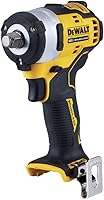
The DeWalt DCF900P1 includes Precision Wrench control designed to help prevent overtightening in forward and run-off in reverse. Use it to run fasteners down with care, then verify final torque separately.
The DeWalt DCF892B is a mid-range 1/2 in impact wrench with 600 ft-lb of max fastening torque and 800 ft-lb of max breakaway torque. Its control features don't make it a substitute for a torque wrench.
The Milwaukee 2962-20 has an auto shut-off feature for hand-tight fastening applications. Its stated limit is not a universal wheel torque setting, so consult your manual and make the final check with a torque wrench.
What should you do if a fastener feels too tight or too loose?
Stop and inspect the fastener instead of forcing it. If it doesn't turn smoothly by hand at the start, remove it and check for cross-threading, dirt, damage, or a mismatched fastener.
If you overshoot the specified value, don't simply back the fastener off and assume it is correct. Follow the vehicle or equipment service instructions for loosening and retightening it.
A damaged stud, nut, bolt, or thread needs attention before the vehicle or equipment is used. If you can't identify the cause or confirm a safe repair, ask a qualified mechanic.
Should you recheck lug nuts after driving?
Follow the vehicle maker's instructions on whether and when to recheck wheel torque. Some vehicles or wheel setups may have a recheck procedure, while others may not specify one.
Use the same calibrated torque wrench and the manual's stated value and sequence. Don't use the impact wrench for a recheck, and don't add extra force after the wrench signals the target.
For help choosing a tool for wheel work, read what size impact wrench lug nuts call for and our guide to impact wrenches for tires and wheels. Those guides can help with tool selection, while the owner's manual remains the source for your vehicle's torque procedure.
How can you avoid torque mistakes after an impact wrench job?
Use the impact wrench only to run fasteners down, then finish with a torque wrench set to the manual's value. Keep the threads clean, start fasteners by hand, and follow the specified sequence.
If you're still choosing a wrench, compare the torque you need for your jobs with the tool's control features. For a stuck fastener, see impact wrench vs. breaker bar before choosing how to loosen it.
The decision rule is simple: use an impact wrench to speed removal or initial fastening, and use a torque wrench to confirm final torque. Check the owner's manual whenever you need to know how to check torque after an impact wrench job on a specific vehicle.
Frequently asked questions
Can an impact wrench set exact torque?
Some impact wrenches have modes designed to limit output or help prevent overtightening, but those settings don't verify a fastener's final torque. Use a calibrated torque wrench and the vehicle or equipment manual to set and check the specified value.
Should I check lug nut torque after using an impact wrench?
Yes. Use a torque wrench to tighten lug nuts to the vehicle maker's specified value and sequence.
Check the owner's manual for the procedure, and follow any instructions about rechecking after driving.
Can I use a torque wrench to loosen a bolt?
No. A torque wrench is for controlled tightening, and using it to loosen fasteners can affect its accuracy or damage it.
Use an appropriate hand tool or impact wrench for removal, then use the torque wrench for final tightening.
What if I don't know the correct torque?
Don't guess or rely on a general chart. Look up the exact value and procedure in the owner's manual or service information for your vehicle or equipment, since torque can vary by model, fastener, and application.