Do Impact Wrenches Have Torque Settings?
Some impact wrenches have torque or speed settings, but most don't set an exact final torque. Use modes to control the tool, then finish critical fasteners with a torque wrench and the vehicle or equipment maker's specification.
On this page (8 sections)
- Do impact wrenches have torque settings?
- What does a torque-control mode actually do?
- How do you adjust torque on an impact wrench?
- Can you use an impact wrench to tighten lug nuts?
- Which impact wrenches have control settings?
- When should you use a torque wrench after an impact wrench?
- What should you check before relying on an impact wrench setting?
- What do impact wrench torque settings mean for your job?
Some impact wrenches have torque or speed settings, but most don't set an exact final torque. Modes can help limit output or slow the tool, while trigger control affects how long it applies force.
For critical fasteners, finish with a torque wrench set to the equipment maker's specification.
That distinction matters most when tightening lug nuts or other fasteners with a required torque. An impact wrench can run a fastener down quickly, but its setting isn't a substitute for measuring the final torque.
Do impact wrenches have torque settings?
Some impact wrenches offer selectable modes, while others have only a variable-speed trigger. A mode might cap speed or torque, or change the tool's behavior during fastening or removal.
The word “setting” can mean different things. A tool may offer a low-speed mode without controlling the exact torque at the fastener.
Impact force also depends on the joint, fastener, socket, battery, and trigger time. That makes it hard to use an impact wrench as a precise torque-measuring tool.
What does a torque-control mode actually do?
A torque-control mode helps manage the tool's output; it doesn't necessarily set a precise final torque. Read the manual for your model, since modes can work differently from one wrench to another.
Some wrenches offer a slower setting, a torque limit, or a mode that changes speed after the fastener breaks free. These features can help reduce over-tightening or make removal easier, but they don't tell you the exact torque applied.
For a broader look at torque numbers and what they mean, start with our impact wrench torque chart. To estimate the power you need for your work, see how much torque you need in an impact wrench.
Is an impact wrench with torque control accurate?
Not necessarily; control modes aren't the same as a calibrated torque wrench. A mode can change the tool's behavior without measuring the fastener's final torque.
The wrench's output can vary across jobs, even when you select the same mode. Use the mode as a way to manage the tool, then check critical fasteners with a torque wrench.
How do you adjust torque on an impact wrench?
Select a lower mode and use a light trigger touch, if your wrench offers those controls. Start cautiously, and check the manual so you know whether a mode changes speed, torque, or behavior after loosening.
- Find the mode descriptions in the tool manual.
- Choose a lower setting for running a fastener down.
- Use short trigger presses instead of holding the trigger continuously.
- Stop before the fastener reaches its required final torque.
- Finish with a torque wrench if the fastener has a specification.
A variable-speed trigger gives you more control over how fast the tool runs, but it doesn't show the torque applied. For a fastener with a required value, use a torque wrench to verify the final tightening.
Can you use an impact wrench to tighten lug nuts?
Use an impact wrench to run lug nuts down if the tool and socket suit the job, then tighten them to the vehicle maker's specification with a torque wrench. Don't assume that a low setting or brief trigger press gives the correct final torque.
Lug nuts need consistent tightening. Working through the vehicle's recommended pattern with a torque wrench helps you apply the specified value to each nut.
If you're choosing a wrench for wheel work, our guide to what size impact wrench lug nuts call for explains how drive size and power fit the job. After using the impact wrench, follow how to check torque after an impact wrench job for the final check.
Which impact wrenches have control settings?
These four options include different control features, from selectable modes to automatic stop functions. Compare what each one controls, and confirm whether its battery and charger are included.
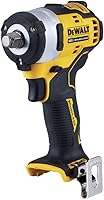
The DeWalt DCF900B has four modes, a variable-speed trigger, and Precision Wrench control designed to help prevent over-tightening in forward and run-off in reverse. It's a tool-only model, so the battery and charger are sold separately.
The Milwaukee 2967-20 has four drive-control modes. Its bolt-removal mode slows to 750 rpm after the fastener breaks free, giving you more control while removing it.
The Bosch GDS18V-740N has three settings for controlling maximum torque and speed. It's a bare tool, and its compatible battery is sold separately.
The FLEX FX1451-Z has three speed modes and a Bolt Auto Stop Mode designed to prevent over-tightening, breaking, or stripping. It also has a Bolt Removal Mode that stops the tool when it senses the fastener has loosened.
These controls can help you manage a job, but they don't replace a torque wrench for final tightening. If you're comparing more wrench types and uses, see what an impact wrench is good for around the house.
When should you use a torque wrench after an impact wrench?
Use a torque wrench whenever a manual or service procedure gives a required final torque. This is especially important for vehicle wheels and other critical fasteners.
The impact wrench can save time loosening bolts or running them down. Once the fastener is seated, switch to a torque wrench and follow the specified value and sequence.
Don't guess based on sound, trigger time, or a wrench's mode number. Those cues don't confirm the torque at the joint.
What should you check before relying on an impact wrench setting?
Check the tool manual and the fastener's instructions before choosing a mode. Confirm what the selected mode does, and whether the job calls for a specific final torque.
Use a correctly sized, impact-rated socket and keep it fully seated. A poor fit can affect the work and increase the chance of damaging the fastener.
For critical tightening, use a torque wrench that covers the specified range and follow its instructions. Our guide to checking torque after an impact wrench job explains the final verification step.
What do impact wrench torque settings mean for your job?
Treat impact wrench settings as control aids, then use a torque wrench to meet a required final value. A slower mode or careful trigger use can help when running fasteners down, but it doesn't confirm exact torque.
Choose a wrench with settings that suit your work and read its manual before use. For lug nuts, follow the vehicle maker's specification and check the final torque with a torque wrench.
Frequently asked questions
Do impact wrenches have torque settings?
Some do. Settings may limit speed or torque, or change how the wrench behaves as a fastener loosens.
They usually don't guarantee an exact final torque because results vary with the fastener, joint, battery, socket, and time on the trigger.
Use a calibrated torque wrench for critical final tightening.
How do you adjust torque on an impact wrench?
Choose a lower speed or torque mode and use light trigger pressure, if your model offers those controls. Check its manual to learn what each mode does.
Start cautiously, then use a torque wrench for the final value when the fastener has a required specification.
Can you use an impact wrench to tighten lug nuts?
You can use one to run lug nuts down, but don't rely on it to set their final torque. Use the vehicle maker's torque specification and a torque wrench to finish each nut.
This helps avoid uneven tightening or damage from over-tightening.
Does a torque setting on an impact wrench give an exact torque?
Usually not. A mode may limit output or slow the tool, but actual fastening torque changes with joint condition, fastener size, battery charge, socket fit, and trigger time.
Treat modes as control aids, then verify critical fasteners with a torque wrench.